.jpeg)
There's something magical about recreating the authentic flavors of distant lands in your own kitchen. Whether it's the rich aromas of an Italian grandmother's kitchen or the vibrant spices of a Thai street market, international cooking allows you to travel the world without leaving home. This comprehensive guide will help you master the art of global cuisine, from sourcing authentic ingredients to perfecting cooking techniques that bring out the true essence of each culture's culinary heritage.
The Foundation: Building Your International Pantry
Creating authentic international dishes starts with having the right ingredients. While you don't need to buy everything at once, building a well-stocked international pantry will make global cooking accessible anytime inspiration strikes.
According to the Food and Agriculture Organization, understanding ingredient origins and traditional uses is key to authentic international cooking.
- Asian essentials: Soy sauce, fish sauce, rice vinegar, sesame oil, gochujang
- Mediterranean staples: Extra virgin olive oil, canned tomatoes, capers, olives, oregano
- Latin American basics: Cumin, chili powder, corn tortillas, black beans, plantains
- Middle Eastern must-haves: Tahini, sumac, pomegranate molasses, chickpeas
Italian Classics: Beyond Basic Pasta
Italian cuisine is about simplicity and quality ingredients. Let's explore how to elevate your Italian cooking beyond spaghetti and meatballs.
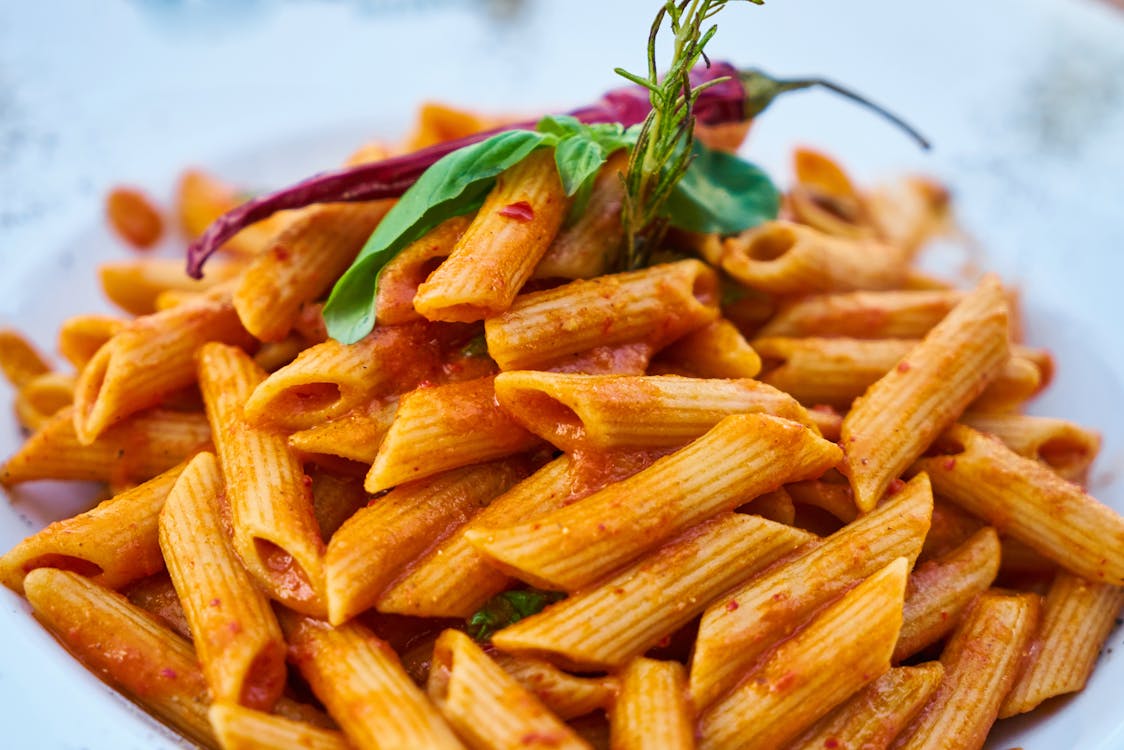
Authentic Carbonara Recipe:
- 400g spaghetti or rigatoni
- 200g guanciale or pancetta, diced
- 4 large egg yolks
- 100g Pecorino Romano cheese, grated
- Freshly cracked black pepper
- Key technique: Never add cream! The sauce comes from emulsifying pasta water with eggs and cheese
The Wikipedia page on Italian cuisine reveals how regional differences create Italy's diverse culinary landscape.
Thai Street Food Magic
Thai cooking balances sweet, sour, salty, and spicy flavors in perfect harmony. With a few key techniques, you can recreate vibrant Thai dishes at home.
- Pad Thai Mastery: Soak rice noodles properly and use tamarind paste for authentic sourness
- Curry Pastes: Make your own for superior flavor compared to store-bought versions
- Herb Usage: Add fresh herbs like Thai basil and cilantro at the end to preserve their aroma
- Balance is Everything: Adjust fish sauce (salty), palm sugar (sweet), lime juice (sour), and chilies (spicy) to taste
Mexican Home Cooking Essentials
Real Mexican food goes far beyond tacos and burritos. Discover the rich traditions of regional Mexican cooking.
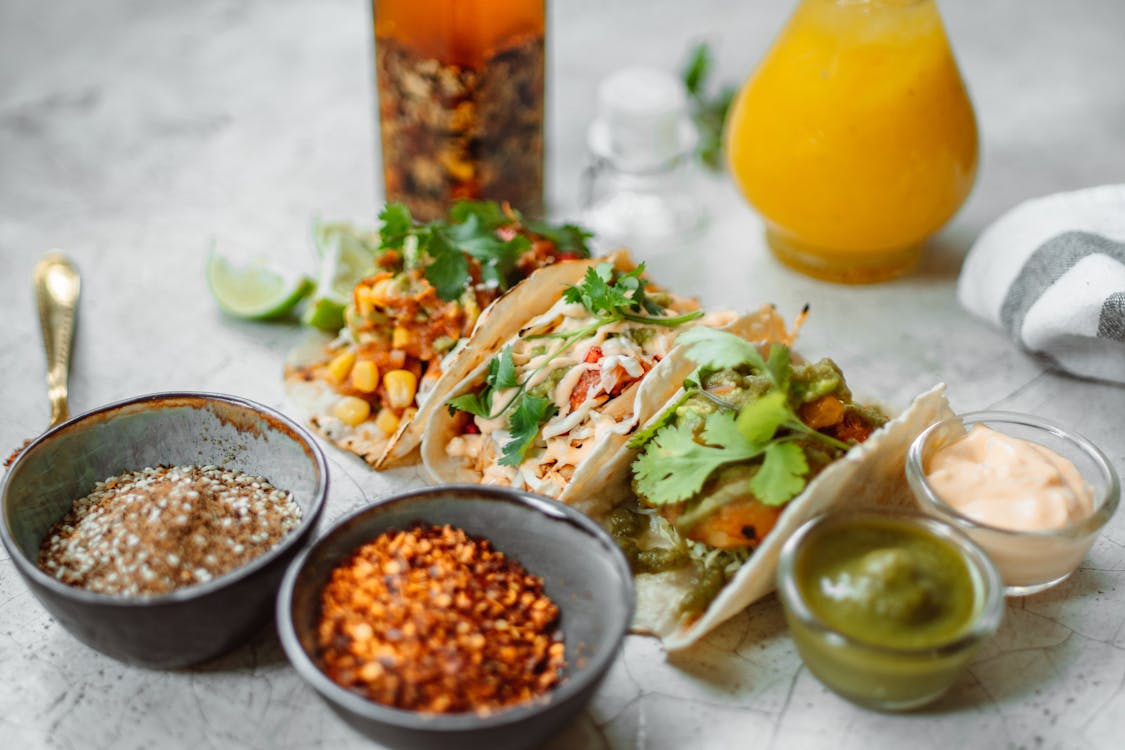
Traditional Techniques:
- From-Scratch Tortillas: Use masa harina and a tortilla press for authentic texture
- Mole Complexity: Blend dried chilies, nuts, seeds, and chocolate for rich sauces
- Proper Salsa Making: Roast tomatoes, onions, and garlic for depth of flavor
- Ceviche Science: Use ultra-fresh fish and precise citrus marinating times
Indian Spice Blending Mastery
Indian cooking is built on the foundation of spice blends and layering flavors throughout the cooking process.
- Whole vs. Ground Spices: Toast whole spices and grind them fresh for maximum aroma
- Tadka/Tempering: Bloom spices in hot oil to release essential oils before adding to dishes
- Regional Variations: Explore differences between North Indian butter chicken and South Indian coconut-based curries
- Vegetarian Excellence: Master lentil dishes (dals) and vegetable preparations that are satisfying and nutritious
Nutritional Benefits of Global Cuisines
Exploring international cooking isn't just about flavor—it's also an opportunity to diversify your nutritional intake and discover health benefits from different culinary traditions.
- Mediterranean diet: Rich in olive oil, vegetables, and fish for heart health
- Japanese washoku: Emphasizes balance, seasonality, and fermented foods
- Indian Ayurvedic principles: Uses spices like turmeric and ginger for their anti-inflammatory properties
- Mexican ancient grains: Incorporates amaranth and chia seeds for complete proteins
Catering Tips for International Theme Parties
Hosting an international-themed dinner party? These catering tips will ensure your event is memorable and authentic.
- Menu Planning: Choose dishes that can be partially prepared ahead and have different cooking times
- Ingredient Prep: Measure and prepare all ingredients before guests arrive
- Cultural Ambiance: Match music, decorations, and serving styles to the cuisine's origin
- Dietary Considerations: Clearly label dishes for common allergens and dietary preferences
Review: Authentic vs. Adapted International Cooking
When exploring international cuisine, there's room for both strict authenticity and creative adaptation. Understanding the difference helps you choose when to follow tradition and when to innovate.
Authentic Approach:
- Uses traditional ingredients and techniques
- Respects cultural heritage and culinary history
- Requires sourcing specific, sometimes hard-to-find ingredients
- Provides educational value about the culture
Adapted Approach:
- Substitutes local ingredients for hard-to-find items
- Adjusts spice levels or techniques to local preferences
- Makes international cooking more accessible
- Allows for creative fusion and personal expression
The Bon Appétit test kitchen demonstrates how professional chefs balance authenticity with practicality in international recipe development.
Conclusion: Your Kitchen as a Global Culinary Passport
Mastering international cooking transforms your kitchen into a gateway to world cultures. Each dish you create is more than just a meal—it's an opportunity to connect with traditions, stories, and people from around the globe. Remember that the journey to international cooking mastery is ongoing, filled with delicious discoveries and occasional happy accidents.
Start with one cuisine that calls to you, master a few key dishes, and gradually expand your repertoire. Don't be afraid to make mistakes—even experienced cooks learn through experimentation. The most important ingredients in any international dish are curiosity, respect for the culture, and the joy of sharing good food with others.
Your culinary adventure awaits. What country will you visit through your taste buds tonight?
Follow Us: For more updates, stories, and partner links — visit our official Facebook Page and explore Our Sister Sites.

No comments:
Post a Comment