In a world buzzing with fad diets and quick-fix meal plans, the Mediterranean diet stands out as a timeless treasure—a way of eating that's as enjoyable as it is beneficial. Inspired by the sun-kissed shores of Greece, Italy, and Spain, this lifestyle emphasizes fresh, whole foods that nourish the body and delight the senses. Whether you're a parent juggling school runs and soccer practices or a home cook looking to infuse more flavor into weeknight dinners, embracing Mediterranean principles can transform your kitchen into a hub of health and happiness. In this article, we'll dive into what makes this diet so special, share simple recipes you can whip up tonight, and offer practical tips to make it work for your family.
What is the Mediterranean Diet?
The Mediterranean diet isn't just about food; it's a holistic approach to living well, rooted in the traditional eating habits of countries bordering the Mediterranean Sea. Picture vibrant markets overflowing with ripe tomatoes, glossy olives, and crusty bread— that's the essence of it. Unlike restrictive diets that leave you feeling deprived, this one celebrates abundance and variety, focusing on plant-based foods, healthy fats, and moderate portions of lean proteins.
At its core, the diet prioritizes fruits and vegetables, whole grains, legumes, nuts, and seeds. Olive oil replaces butter as the go-to fat, fish takes center stage over red meat, and herbs and spices add zing without extra sodium. Wine in moderation (if you partake) and daily physical activity round out the picture. But why has it captured hearts (and arteries) worldwide? The answer lies in its proven health perks.
- Heart Health Boost: Rich in monounsaturated fats from olive oil and omega-3s from fish, it lowers bad cholesterol and reduces heart disease risk.
- Weight Management: High-fiber foods keep you full longer, making it easier to maintain a healthy weight without counting calories.
- Brain Power: Antioxidants from colorful produce combat inflammation, potentially warding off cognitive decline.
- Longevity: Studies link it to longer lifespans, with lower rates of chronic diseases like diabetes and certain cancers.
For more on its origins and science, check out the Wikipedia entry on the Mediterranean diet, a reliable starting point for curious foodies.
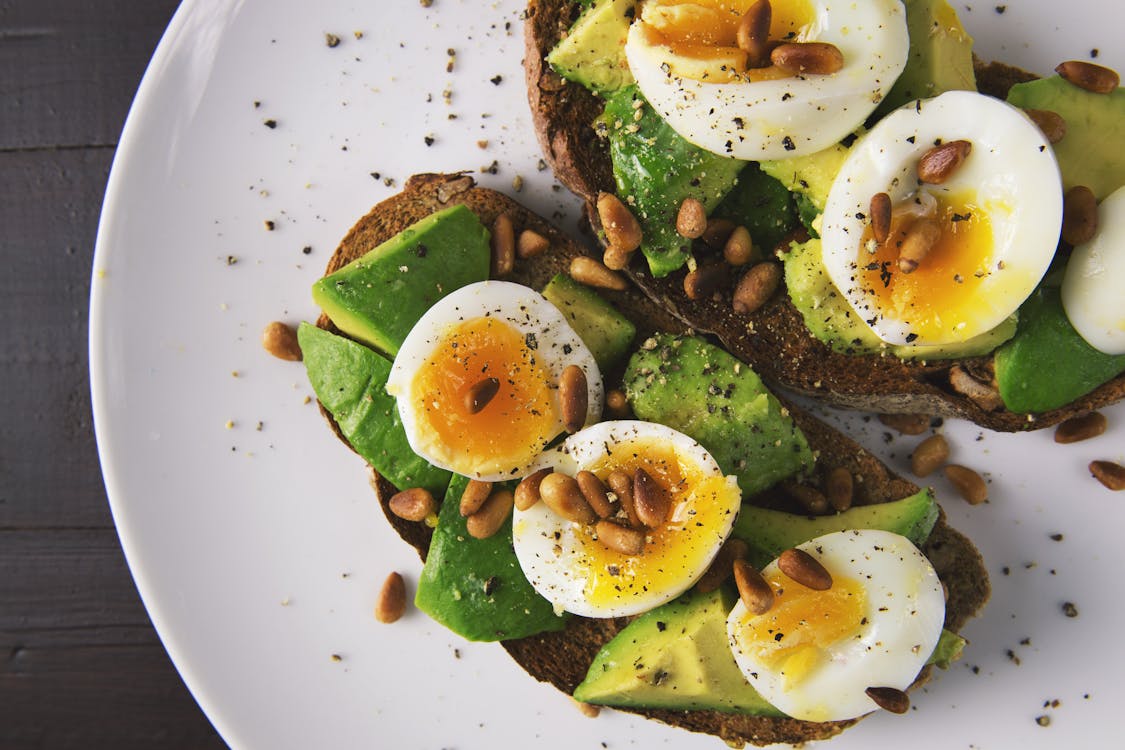
Key Ingredients and Their Nutritional Power
What sets Mediterranean cuisine apart is its reliance on everyday superfoods that are easy to find and budget-friendly. These aren't exotic imports; they're staples that pack a nutritional punch, making them ideal for home cooking. Let's break down a few stars of the show and why they're worth stocking in your pantry.
- Olive Oil: The liquid gold of the region, it's loaded with heart-healthy polyphenols that fight oxidative stress. Drizzle it on salads or use for sautéing— just one tablespoon delivers healthy fats without spiking calories.
- Leafy Greens and Tomatoes: Spinach, kale, and heirloom tomatoes provide vitamins A, C, and K, plus lycopene for cancer prevention. They're low-cal but high in fiber, perfect for guilt-free snacking.
- Fish like Salmon and Sardines: Twice-weekly servings offer omega-3 fatty acids that support brain health and reduce inflammation. Affordable canned options make this accessible for family meals.
- Legumes and Nuts: Chickpeas, lentils, almonds, and walnuts add plant protein and fiber, stabilizing blood sugar and promoting satiety.
Incorporating these isn't about overhauling your fridge overnight. Start small: Swap mayo for olive oil in sandwiches or toss canned chickpeas into soups. For deeper insights into nutritional benefits, explore Harvard Health's practical guide—it's a no-nonsense resource backed by experts.
Easy Home Recipes to Try Tonight
Ready to put theory into tasty action? These three simple recipes clock in under 30 minutes, using pantry staples for stress-free weeknights. They're kid-friendly, scalable for families, and bursting with authentic flavors.
Quick Greek Salad with Feta and Olives
A refreshing starter or light lunch, this salad embodies the diet's fresh vibe.
- Chop 2 cucumbers, 4 tomatoes, 1 red onion, and a handful of Kalamata olives.
- Toss with 1/4 cup crumbled feta cheese and a dressing of 3 tbsp olive oil, 1 tbsp red wine vinegar, oregano, salt, and pepper.
- Serve chilled—total time: 10 minutes. Serves 4.
Lemon-Herb Grilled Chicken with Quinoa
Lean protein meets nutty grains for a balanced dinner.
- Marinate 4 chicken breasts in juice of 2 lemons, 2 minced garlic cloves, fresh rosemary, and 2 tbsp olive oil for 15 minutes.
- Grill or pan-sear 5-7 minutes per side.
- Cook 1 cup quinoa in 2 cups broth; fluff and serve topped with chicken and chopped parsley. Serves 4.
Chickpea and Vegetable Stew
A hearty, vegan option that's pure comfort in a bowl.
- Sauté 1 onion, 2 carrots, and 2 zucchini in 2 tbsp olive oil.
- Add 1 can drained chickpeas, 1 can diced tomatoes, cumin, paprika, and 2 cups vegetable broth; simmer 20 minutes.
- Garnish with fresh mint. Serves 4-6.
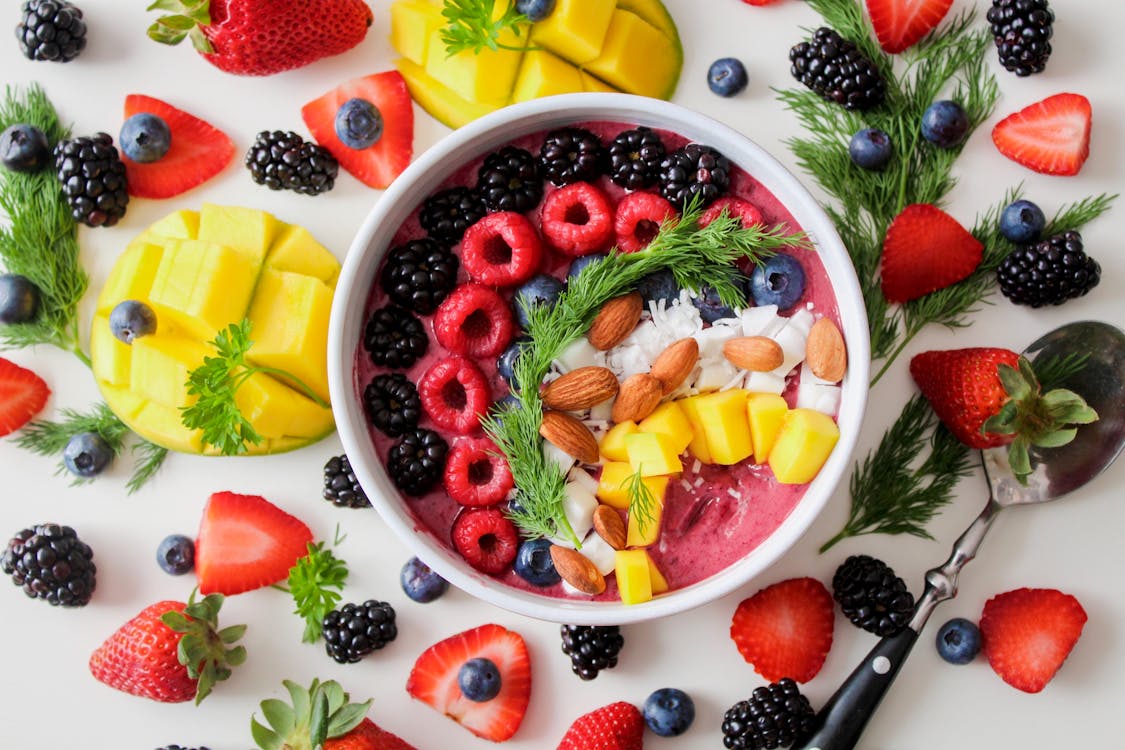
These dishes highlight international flair while keeping things simple—perfect for busy parents introducing global tastes to picky eaters.
Comparing the Mediterranean Diet to Other Popular Trends
With keto, paleo, and intermittent fasting dominating headlines, how does the Mediterranean stack up? It's less about extremes and more about sustainability, making it a winner for long-term adherence. Here's a quick comparison:
| Diet | Focus | Pros | Cons |
|---|---|---|---|
| Mediterranean | Whole foods, healthy fats | Flexible, enjoyable, heart-healthy | Requires fresh produce access |
| Keto | Low-carb, high-fat | Quick weight loss | Restrictive, potential nutrient gaps |
| Paleo | Ancestral foods, no grains | Anti-inflammatory | Expensive, limits variety |
Ultimately, the Mediterranean diet shines for families because it's inclusive—no one feels left out at the table. For recipe inspiration, head to BBC Good Food's Mediterranean collection, chock-full of tested ideas.
Catering Tips for Mediterranean-Inspired Events
Hosting a summer barbecue or holiday gathering? Infuse Mediterranean vibes for a crowd-pleasing spread that's nutritious and elegant. These tips ensure your event runs smoothly while keeping guests raving.
- Build a Mezze Platter: Arrange hummus, tzatziki, stuffed grape leaves, and pita—easy to prep ahead and visually stunning.
- Go Seasonal: Use local veggies for freshness; grill eggplant and zucchini skewers for a smoky twist.
- Portion Smartly: Offer small plates to encourage mingling and prevent overeating—think tapas-style.
- Pair with Herbs: Fresh basil and dill elevate dishes; set up a DIY herb station for interactive fun.
- End on a Sweet Note: Greek yogurt with honey and nuts—light yet satisfying.
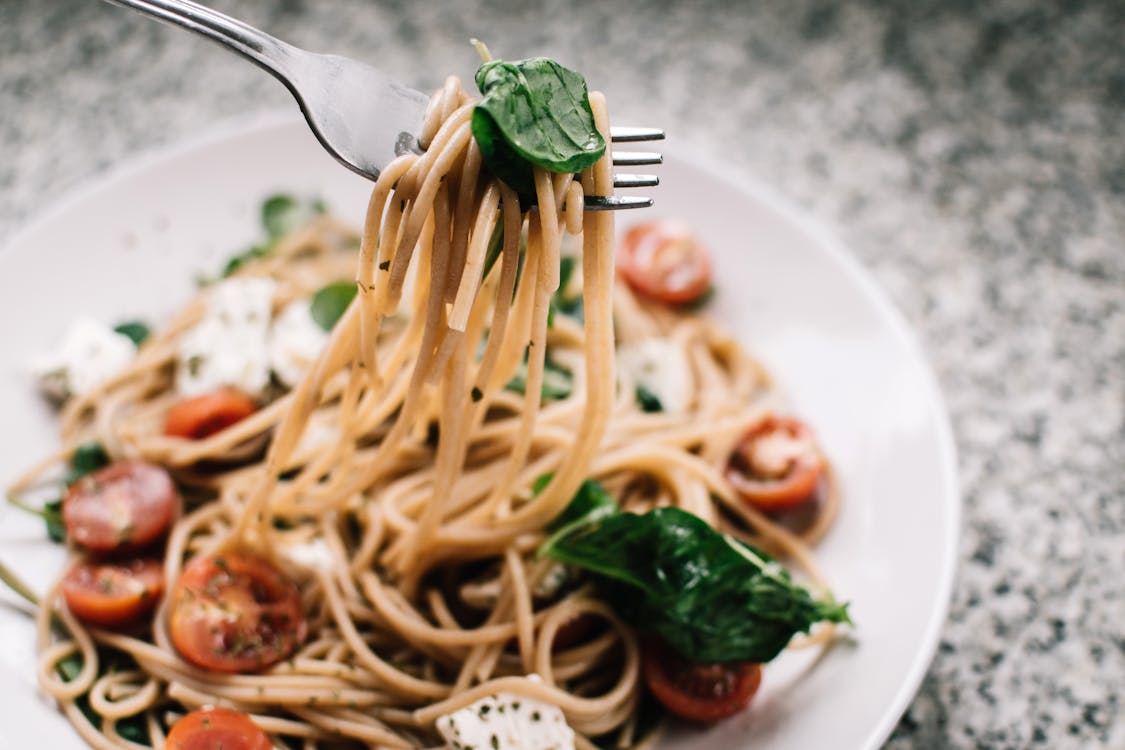
These ideas scale effortlessly, whether for 10 or 100, blending nutrition with hospitality.
Conclusion
Embracing the Mediterranean diet isn't about perfection—it's about savoring life's simple pleasures through flavorful, wholesome meals. From its robust health benefits to the joy of sharing plates around the table, this approach proves that eating well can be effortless and exciting. Start with one recipe this week, stock up on olive oil, and watch how it revitalizes your family's routine. Your body, taste buds, and loved ones will thank you. What's your first Mediterranean adventure? Share in the comments below!
Follow Us: For more updates, stories, and partner links — visit our official Facebook Page and explore Our Sister Sites.

No comments:
Post a Comment