Showing posts with label Written by DeepSeek. Show all posts

Sunday, October 26, 2025

Global Flavors at Home: Mastering International Dishes in Your Own Kitchen


There's something magical about recreating the authentic flavors of distant lands in your own kitchen. Whether it's the rich aromas of an Italian grandmother's kitchen or the vibrant spices of a Thai street market, international cooking allows you to travel the world without leaving home. This comprehensive guide will help you master the art of global cuisine, from sourcing authentic ingredients to perfecting cooking techniques that bring out the true essence of each culture's culinary heritage.

The Foundation: Building Your International Pantry

Creating authentic international dishes starts with having the right ingredients. While you don't need to buy everything at once, building a well-stocked international pantry will make global cooking accessible anytime inspiration strikes.

According to the Food and Agriculture Organization, understanding ingredient origins and traditional uses is key to authentic international cooking.

  • Asian essentials: Soy sauce, fish sauce, rice vinegar, sesame oil, gochujang
  • Mediterranean staples: Extra virgin olive oil, canned tomatoes, capers, olives, oregano
  • Latin American basics: Cumin, chili powder, corn tortillas, black beans, plantains
  • Middle Eastern must-haves: Tahini, sumac, pomegranate molasses, chickpeas

Italian Classics: Beyond Basic Pasta

Italian cuisine is about simplicity and quality ingredients. Let's explore how to elevate your Italian cooking beyond spaghetti and meatballs.
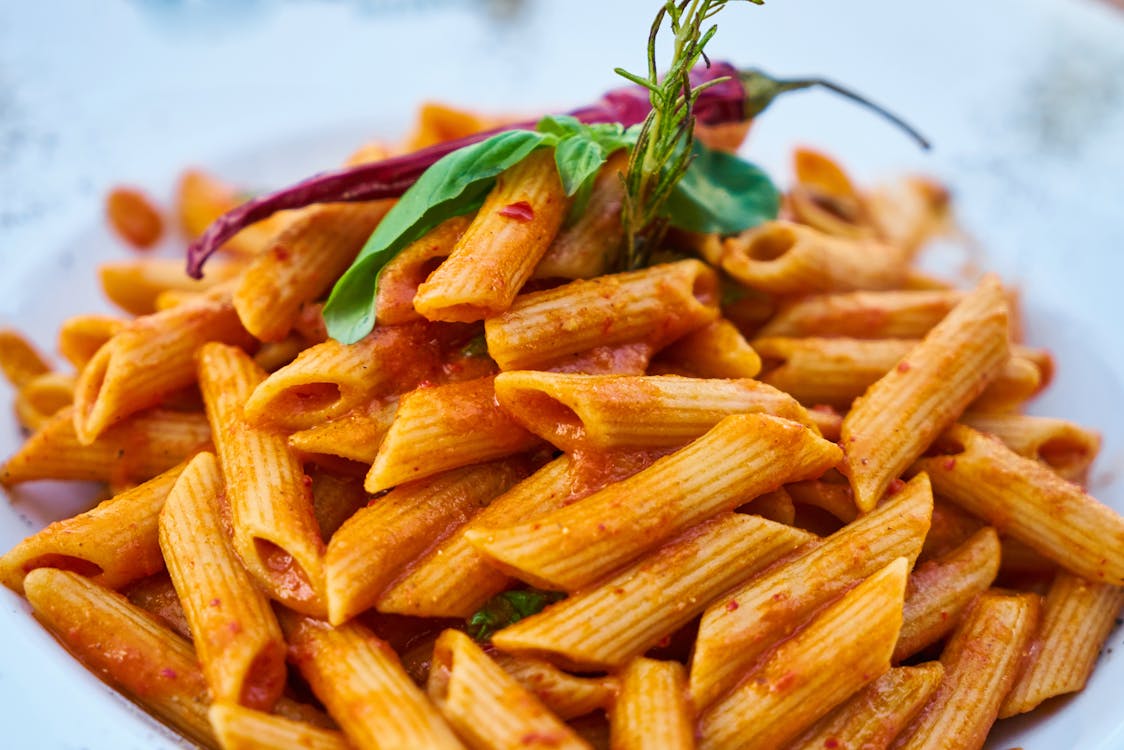
Fresh homemade pasta with herbs and tomatoes

Authentic Carbonara Recipe:

  • 400g spaghetti or rigatoni
  • 200g guanciale or pancetta, diced
  • 4 large egg yolks
  • 100g Pecorino Romano cheese, grated
  • Freshly cracked black pepper
  • Key technique: Never add cream! The sauce comes from emulsifying pasta water with eggs and cheese

The Wikipedia page on Italian cuisine reveals how regional differences create Italy's diverse culinary landscape.

Thai Street Food Magic

Thai cooking balances sweet, sour, salty, and spicy flavors in perfect harmony. With a few key techniques, you can recreate vibrant Thai dishes at home.

  • Pad Thai Mastery: Soak rice noodles properly and use tamarind paste for authentic sourness
  • Curry Pastes: Make your own for superior flavor compared to store-bought versions
  • Herb Usage: Add fresh herbs like Thai basil and cilantro at the end to preserve their aroma
  • Balance is Everything: Adjust fish sauce (salty), palm sugar (sweet), lime juice (sour), and chilies (spicy) to taste

Mexican Home Cooking Essentials

Real Mexican food goes far beyond tacos and burritos. Discover the rich traditions of regional Mexican cooking.
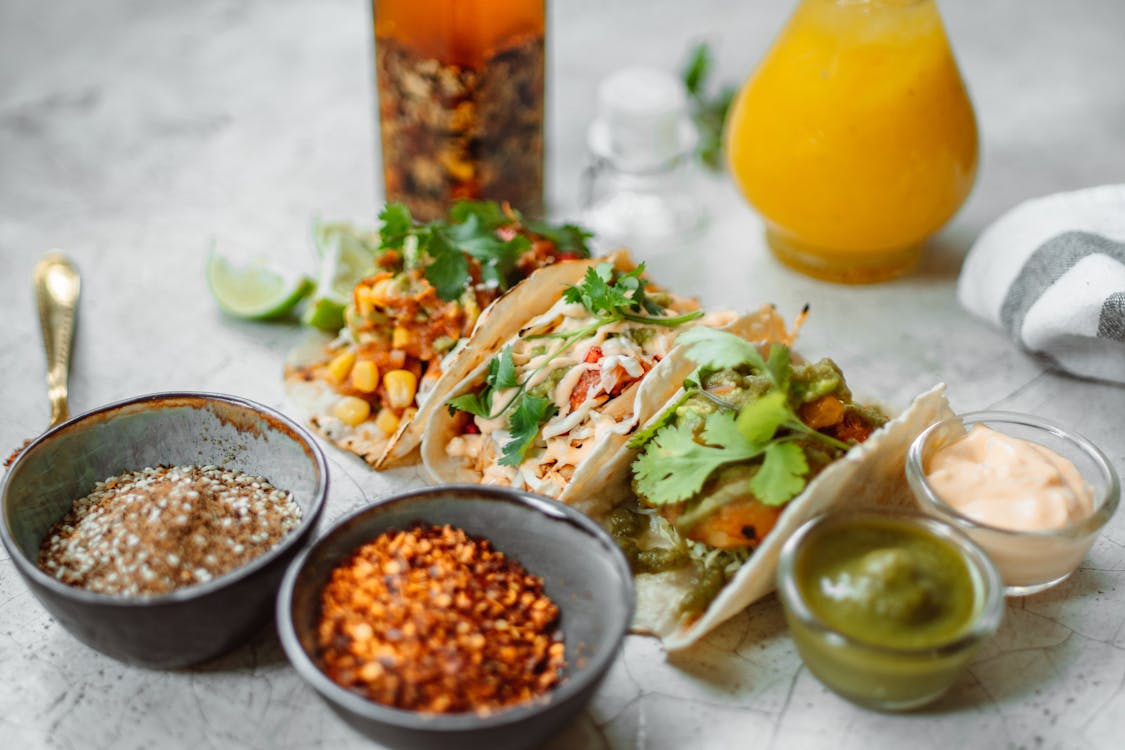
Traditional Mexican mole sauce with various spices

Traditional Techniques:

  • From-Scratch Tortillas: Use masa harina and a tortilla press for authentic texture
  • Mole Complexity: Blend dried chilies, nuts, seeds, and chocolate for rich sauces
  • Proper Salsa Making: Roast tomatoes, onions, and garlic for depth of flavor
  • Ceviche Science: Use ultra-fresh fish and precise citrus marinating times

Indian Spice Blending Mastery

Indian cooking is built on the foundation of spice blends and layering flavors throughout the cooking process.

  • Whole vs. Ground Spices: Toast whole spices and grind them fresh for maximum aroma
  • Tadka/Tempering: Bloom spices in hot oil to release essential oils before adding to dishes
  • Regional Variations: Explore differences between North Indian butter chicken and South Indian coconut-based curries
  • Vegetarian Excellence: Master lentil dishes (dals) and vegetable preparations that are satisfying and nutritious

Nutritional Benefits of Global Cuisines

Exploring international cooking isn't just about flavor—it's also an opportunity to diversify your nutritional intake and discover health benefits from different culinary traditions.

  • Mediterranean diet: Rich in olive oil, vegetables, and fish for heart health
  • Japanese washoku: Emphasizes balance, seasonality, and fermented foods
  • Indian Ayurvedic principles: Uses spices like turmeric and ginger for their anti-inflammatory properties
  • Mexican ancient grains: Incorporates amaranth and chia seeds for complete proteins

Catering Tips for International Theme Parties

Hosting an international-themed dinner party? These catering tips will ensure your event is memorable and authentic.

  • Menu Planning: Choose dishes that can be partially prepared ahead and have different cooking times
  • Ingredient Prep: Measure and prepare all ingredients before guests arrive
  • Cultural Ambiance: Match music, decorations, and serving styles to the cuisine's origin
  • Dietary Considerations: Clearly label dishes for common allergens and dietary preferences

Review: Authentic vs. Adapted International Cooking

When exploring international cuisine, there's room for both strict authenticity and creative adaptation. Understanding the difference helps you choose when to follow tradition and when to innovate.

Authentic Approach:

  • Uses traditional ingredients and techniques
  • Respects cultural heritage and culinary history
  • Requires sourcing specific, sometimes hard-to-find ingredients
  • Provides educational value about the culture

Adapted Approach:

  • Substitutes local ingredients for hard-to-find items
  • Adjusts spice levels or techniques to local preferences
  • Makes international cooking more accessible
  • Allows for creative fusion and personal expression

The Bon Appétit test kitchen demonstrates how professional chefs balance authenticity with practicality in international recipe development.

Conclusion: Your Kitchen as a Global Culinary Passport

Mastering international cooking transforms your kitchen into a gateway to world cultures. Each dish you create is more than just a meal—it's an opportunity to connect with traditions, stories, and people from around the globe. Remember that the journey to international cooking mastery is ongoing, filled with delicious discoveries and occasional happy accidents.

Start with one cuisine that calls to you, master a few key dishes, and gradually expand your repertoire. Don't be afraid to make mistakes—even experienced cooks learn through experimentation. The most important ingredients in any international dish are curiosity, respect for the culture, and the joy of sharing good food with others.

Your culinary adventure awaits. What country will you visit through your taste buds tonight?


Follow Us: For more updates, stories, and partner links — visit our official Facebook Page and explore Our Sister Sites.


Share/Bookmark

Thursday, October 16, 2025

The Five Mother Sauces: How Mastering These Foundations Will Transform Your Cooking Forever

I'll never forget the first time I watched a French chef effortlessly transform simple ingredients—butter, flour, milk—into the most velvety, luxurious sauce I'd ever tasted. "This," he said with a knowing smile, "is bĂ©chamel. Master this, and you master a thousand dishes." That moment changed my relationship with cooking forever, taking me from following recipes to understanding the very architecture of flavor.

For centuries, professional chefs have known a secret that home cooks are just discovering: virtually every sauce in Western cuisine stems from just five "mother sauces." These foundational recipes are the building blocks of culinary artistry, and learning them is like learning the alphabet before writing novels. Let's explore how these classic French sauces can revolutionize your home cooking.


The History Behind the Mother Sauces

The concept of mother sauces dates back to the early 19th century and French chef Marie-Antoine CarĂȘme, who originally identified four foundational sauces. Later, Auguste Escoffier, the "king of chefs and chef of kings," expanded the system to the five we recognize today. According to the Encyclopedia Britannica, this classification system became the cornerstone of classical French cuisine and eventually influenced cooking worldwide.

  • 1830s: CarĂȘme establishes the original four mother sauces
  • 1903: Escoffier publishes "Le Guide Culinaire" with the five-sauce system
  • 1920s: The system spreads to professional kitchens globally
  • Today: Modern chefs still use these foundations while creating innovative variations

Meet the Five Mothers: Your New Kitchen Best Friends

1. Béchamel: The Comfort Queen

This milk-based white sauce might seem simple, but it's the foundation of comfort food classics. Made from a white roux (butter and flour) and milk, béchamel is the starting point for:

  • Macaroni and cheese
  • Creamed spinach
  • Lasagna white sauce
  • Mornay sauce (add cheese)

2. Velouté: The Versatile Velvet

Similar to béchamel but using white stock (chicken, fish, or veal) instead of milk, velouté creates elegant, light sauces. From this mother comes:

  • SuprĂȘme sauce (add cream)
  • Allemande sauce (add egg yolks and cream)
  • White wine sauce reductions

3. Espagnole: The Rich Foundation

This brown sauce starts with a brown roux and rich brown stock, creating deep, complex flavors. It's the base for:

  • Demi-glace (the ultimate steak sauce)
  • Bordelaise sauce (with red wine)
  • Chasseur sauce (with mushrooms)

4. Tomato Sauce: The Global Favorite

While we think of tomato sauce as Italian, the French mother version is more refined and less herb-heavy than its Mediterranean cousin. Variations include:

  • Marinara (Italian style)
  • Creole sauce (with peppers and spices)
  • Spanish tomato sauces

5. Hollandaise: The Emulsified Elegance

The only mother sauce that doesn't use a roux, hollandaise is an emulsion of egg yolks and butter. This luxurious sauce gives us:

  • BĂ©arnaise (with tarragon)
  • Choron sauce (tomato-infused)
  • Maltaise (blood orange)

Modern Sauce-Making Tools Compared

Today's home cooks have more options than ever for creating perfect sauces:

Traditional Whisk and Bowl

Pros: Complete control, traditional technique, no special equipment needed
Cons: Requires constant attention, can be tiring, risk of breaking sauces
Best for: Purists and small batches

Immersion Blender

Pros: Easy emulsification, less strenuous, consistent results
Cons: Can incorporate too much air, another gadget to clean
Best for: Modern home cooks and larger quantities

High-Speed Blender

Pros: Ultra-smooth results, quick, great for hot sauces
Cons: Can over-blend, temperature control issues, loud
Best for: Perfect emulsions and silky textures

The Nutritional Benefits of Homemade Sauces

Making sauces from scratch isn't just about flavor—it's about health too. Research from the National Institutes of Health shows that homemade sauces typically contain:

  • 50-70% less sodium than commercial versions
  • No artificial preservatives or stabilizers
  • Higher nutrient retention from fresh ingredients
  • Healthier fat profiles when you control the oil and butter
  • Customizable for dietary needs (gluten-free, dairy-free, etc.)

Mastering the Roux: Your Sauce-Making Superpower

The roux (equal parts fat and flour) is the thickening agent for three mother sauces. Here's how to nail it every time:

White Roux (Béchamel)

Cook for 2-3 minutes until bubbly but not colored. Perfect for creamy, delicate sauces.

Blond Roux (Velouté)

Cook for 5-7 minutes until pale golden. Adds subtle nutty flavor.

Brown Roux (Espagnole)

Cook for 10-15 minutes until rich brown. Develops deep, complex flavors.

Five Mother Sauce Hacks for Busy Home Cooks

You don't need culinary school to master these techniques:

  • Freeze in ice cube trays: Make large batches and freeze for quick weeknight meals
  • Use cornstarch slurry: For gluten-free versions, substitute cornstarch for flour
  • Infuse your fats: Add herbs or spices to your butter or oil before making roux
  • Save vegetable water: Use pasta water or vegetable cooking liquid for extra flavor
  • Embrace imperfections: Even "broken" sauces can be rescued or repurposed

Global Variations: How Mother Sauces Travel

These French foundations have inspired sauces worldwide:

  • BĂ©chamel becomes: Greek pastitsio, Indian kurma, Southern US biscuits and gravy
  • Tomato sauce evolves into: Italian arrabbiata, Mexican enchilada sauce, Indian butter chicken
  • VeloutĂ© inspires: Chinese white sauces, Japanese tempura dipping sauces
  • Hollandaise cousins include: Argentine chimichurri, Middle Eastern tahini sauces

Conclusion: From Recipe Follower to Flavor Architect

Learning the five mother sauces transformed my kitchen from a place of following instructions to a laboratory of creativity. That béchamel I learned to make a decade ago has since become countless variations: smoked Gouda mac and cheese for my nephew, dairy-free mushroom sauce for my vegan friend, spicy mornay for shrimp and grits that wowed dinner guests.

The true power of these mother sauces isn't in rigidly following classic recipes—it's in understanding the principles so well that you can innovate confidently. Once you internalize how fat, liquid, and thickeners interact, you can create sauces that perfectly suit your taste, your ingredients, and your occasion.

Start with one mother sauce this week. Master it. Understand its personality. Then watch as your cooking confidence grows exponentially. You'll find yourself looking at recipes not as rigid instructions, but as inspiration for your own creations.

Remember: every great chef was once a beginner who decided to learn the fundamentals. Your journey to becoming the architect of your own flavors starts with these five magnificent mothers. Your kitchen—and your taste buds—will never be the same.


Share/Bookmark

Wednesday, October 15, 2025

The Spice Route Revival: How Ancient Flavors Are Transforming Modern Kitchens

When my grandmother handed me her tattered spice box, filled with scents that had traveled centuries and continents, I didn't just inherit recipes—I inherited stories. That wooden box, with its compartments of turmeric stained by generations and cardamom pods that whispered of caravan routes, taught me that spices aren't just ingredients; they're time travelers connecting us to ancient culinary traditions.

Today, a quiet revolution is happening in home kitchens worldwide. Cooks are rediscovering that the most exciting flavors aren't found in trendy superfoods or expensive ingredients, but in the ancient spice routes that once connected civilizations. From the turmeric lattes in Brooklyn cafes to the za'atar-dusted flatbreads in London bakeries, these ancient flavors are experiencing a remarkable modern revival.

Colorful array of spices in traditional bowls and mortars

The Historical Spice Routes: More Than Just Trade

The original spice routes weren't just commercial highways—they were the internet of their time, connecting cultures and transforming cuisines. According to the Encyclopedia Britannica, these routes shaped global history for over 5,000 years, with spices being so valuable they were often used as currency.

  • Cinnamon traveled from Sri Lanka to Egypt as early as 2000 BCE
  • Black pepper was so prized that it was used to pay rent in medieval Europe
  • Nutmeg was worth more than gold weight-for-weight in 17th century Europe
  • Saffron remains the world's most expensive spice by weight today

Modern Spice Blends: Global Flavors for Home Cooks

Za'atar: The Middle Eastern Marvel

This tangy blend of thyme, sumac, and sesame seeds has jumped from traditional flatbreads to everything from roasted vegetables to popcorn. Its antioxidant-rich profile makes it both delicious and nutritious.

Ras el Hanout: Morocco's Secret

Meaning "head of the shop," this complex blend can include up to 30 spices. Modern versions are appearing in everything from rubs to cocktail infusions.

Chinese Five-Spice: The Perfect Balance

The harmony of sweet, sour, bitter, pungent, and salty makes this blend incredibly versatile beyond traditional Asian dishes.

The Health Benefits Behind the Flavors

Modern science is confirming what ancient healers knew—spices offer remarkable health benefits. Research from the National Institutes of Health has documented numerous health advantages:

  • Turmeric contains curcumin, a powerful anti-inflammatory compound
  • Cinnamon helps regulate blood sugar levels
  • Ginger aids digestion and reduces nausea
  • Cumin is rich in iron and aids digestion
  • Black pepper enhances nutrient absorption from other foods
Modern kitchen with spices being used in cooking preparation

Building Your Modern Spice Pantry: Essential vs. Optional

You don't need hundreds of spices to explore global flavors. Here's a practical approach:

The Foundation Five

Cumin seeds - earthy base for countless cuisines
Coriander seeds - citrusy note for blends
Smoked paprika - depth and color
Turmeric powder - earthiness and health benefits
Cinnamon sticks - sweet and savory applications

The Global Adventurer Additions

Sumac for Middle Eastern tang
Star anise for Asian depth
Fenugreek seeds for curry bases
Cardamom pods for sweet and savory dishes

Spice Storage Methods Compared

Proper storage is crucial for maintaining flavor and potency:

Traditional Masala Dabba

Pros: Easy access, keeps spices organized, traditional design
Cons: Not airtight, light exposure, limited capacity
Best for: Frequently used spices you use daily

Modern Airtight Containers

Pros: Maximum freshness, stackable, various sizes
Cons: Less charming, can be expensive
Best for: Bulk spices and long-term storage

Magnetic Tins

Pros: Space-saving, visible, modern look
Cons: Small capacity, may not be completely airtight
Best for: Small kitchens and most-used spices

Three Ancient-Modern Fusion Recipes to Try Tonight

Turmeric-Ginger Immunity Shot (Ancient Remedy, Modern Format)

Fresh turmeric and ginger juiced with orange and a pinch of black pepper. The pepper increases turmeric absorption by 2000%!

Za'atar Roasted Chicken with Pomegranate (Middle East Meets Modern)

Classic za'atar rub updated with pomegranate molasses glaze for sweet-sour complexity.

Five-Spice Chocolate Pots de CrĂšme (East-West Dessert)

Traditional French dessert transformed with Chinese five-spice for unexpected depth.

The Sustainability Angle: Why Spices Matter Today

Choosing quality spices supports sustainable agriculture and preserves culinary heritage:

  • Supporting small-scale spice farmers maintains biodiversity
  • Traditional farming methods are often more environmentally friendly
  • Heirloom spice varieties preserve genetic diversity
  • Fair trade practices ensure farmers receive living wages

Common Spice Mistakes and How to Avoid Them

Even experienced cooks make these errors:

  • Using stale spices: Most ground spices lose potency after 6 months
  • Not toasting whole spices: Toasting unlocks essential oils and complexity
  • Overcomplicating blends: Sometimes 2-3 spices create better balance than 10
  • Adding at the wrong time: Delicate spices late, robust spices early

Conclusion: Your Kitchen as a Crossroads of Cultures

That spice box from my grandmother now sits in my modern kitchen, its contents constantly refreshed but its spirit unchanged. Every time I measure cumin or crush cardamom, I'm participating in a tradition that spans millennia and continents.

The spice route revival isn't about exoticism or trend-chasing. It's about recognizing that the most profound culinary discoveries often come from looking backward as well as forward. It's about understanding that a pinch of something from far away can transform the familiar into the extraordinary.

You don't need to travel the world to experience global flavors. You just need to open your spice cabinet with curiosity and courage. Start with one new spice this week. Toast it, smell it, taste it raw. Let it guide you to new culinary territories.

Your kitchen can be a place where ancient trade routes converge, where history meets innovation, and where every meal becomes an adventure. The spices are waiting to tell their stories—all you need to do is start listening.


Share/Bookmark

Sunday, October 12, 2025

The Beautiful Unfolding: How I Learned to Trust Life's Timing

At 28, I found myself sitting on the floor of my empty apartment, surrounded by moving boxes, sobbing uncontrollably. My startup had failed, my relationship had ended, and the life I had meticulously planned lay in ruins around me. In that moment of complete devastation, I believed I was behind—behind my peers, behind society's timeline, behind my own expectations. What I couldn't see then was that I wasn't falling behind; I was being prepared for something I couldn't yet imagine.

This is the story of how I learned that life doesn't follow our schedules, that detours often lead to better destinations, and that the most beautiful gardens grow from broken ground. It's about discovering that our timing isn't always life's timing—and life's timing is always perfect, even when it feels anything but.

Person at crossroads looking toward horizon at sunrise

The Myth of Being "On Time"

We're taught from childhood that life follows a linear path: graduate by 22, establish a career by 30, marry by 35, retire by 65. But this timeline is a social construct, not a universal truth. Research from the American Psychological Association shows that comparing ourselves to artificial timelines creates significant stress and undermines our well-being.

What I discovered in my journey:

  • The most successful people often took unconventional paths
  • Setbacks frequently contain hidden redirections to better opportunities
  • Personal growth can't be rushed or scheduled
  • Society's clock and your soul's clock rarely tick at the same pace

The Seasons of Preparation

Looking back, I now see that my "failure" period was actually a crucial season of preparation. Like a field lying fallow to restore its nutrients, I was being prepared for what was to come.

Winter: The Season of Letting Go

After my business failed, I went through what felt like an emotional winter. Everything was stripped away—my identity as an entrepreneur, my financial security, even my social circle. But this stripping away made space for new growth.

Spring: The Season of Small Beginnings

I took a temporary job at a local bookstore, something I would have previously considered beneath me. There, I discovered my love for connecting people with stories that could change their lives.

Summer: The Season of Growth

That temporary job led to meeting a publisher who needed help with marketing. My business failure had taught me valuable lessons about what not to do, making me uniquely qualified for the role.

Person climbing mountain representing overcoming life challenges

The Tools That Helped Me Trust the Process

During my most uncertain moments, these practices became my anchors:

Daily Gratitude Practice

Even on my worst days, I found three things to be grateful for. Some days it was as simple as "the sun is shining" or "I have a roof over my head." This practice rewired my brain to notice possibilities instead of problems.

The "One Step" Rule

When the future felt overwhelming, I focused only on the next right step. Not the whole journey—just the next step. This made progress feel achievable even in my most discouraged moments.

Surrounding Myself with Wise Voices

I discovered authors and teachers who understood life's nonlinear nature. As Yehuda Berg beautifully expressed, "Patience is not simply the ability to wait - it's how we behave while we're waiting."

When the Pieces Started Coming Together

Three years after my "rock bottom" moment, the pieces began falling into place in ways I never could have orchestrated:

  • The skills I learned from my failed business made me valuable to my new employer
  • The humility I gained from starting over made me a better leader
  • The self-awareness I developed helped me recognize a genuine partnership when it appeared
  • The resilience I built prepared me for challenges that would have previously broken me

Different Approaches to Trusting Life's Timing

Through my journey and observing others, I've noticed different approaches to navigating life's uncertainties:

The Planner vs. The Flow-er

Planner Approach: Creates detailed life maps, sets specific goals, values control and predictability
Flow-er Approach: Follows intuition, remains open to opportunities, values flexibility and spontaneity
My Recommendation: Blend both—set intentions but hold them lightly, like a compass rather than a map

Active Waiting vs. Passive Waiting

Active Waiting: Continuing to take small steps forward while trusting the timing
Passive Waiting: Sitting back and expecting life to happen to you
My Experience: Active waiting led to opportunities; passive waiting led to stagnation

Hands holding broken pieces forming beautiful mosaic

The Unexpected Gifts of "Behind Schedule"

What felt like being behind actually gave me priceless advantages:

  • Wisdom Over Speed: I made fewer reckless decisions because I'd learned from early failures
  • Authentic Relationships: I attracted people who valued me for who I was, not what I had achieved
  • Deeper Appreciation: Success tasted sweeter because I knew what it felt like to lose everything
  • Resilient Foundation: My self-worth became rooted in who I am, not what I accomplish

How to Cultivate Trust in Life's Timing

If you're feeling behind or impatient with your journey, these practices can help:

  • Look Backward to See Forward: Review your life and notice how "mistakes" led to unexpected blessings
  • Practice Radical Acceptance: Accept where you are while still working toward where you want to be
  • Find Beauty in the Process: Appreciate the person you're becoming through the challenges
  • Surround Yourself with Diverse Timelines: Seek out stories of people who found success on unconventional paths

As research from UC Berkeley's Greater Good Science Center shows, acceptance practices significantly reduce stress and increase life satisfaction.

Conclusion: Your Timeline is Unfolding Perfectly

Today, at 35, I run a successful publishing consultancy, am married to someone I met when I least expected it, and have a sense of peace I never thought possible. None of this happened according to my original plan, but it happened according to a plan that was better than anything I could have designed.

Your journey is uniquely yours. The delays, detours, and unexpected stops aren't signs that you're off track—they're part of the track. The preparation, the waiting, the seeming setbacks—they're all building something in you that can't be built any other way.

Trust the unfolding. Embrace the not-knowing. Celebrate the small steps. Your life isn't a race against others or even against time itself. It's a beautiful, messy, perfectly imperfect journey that's unfolding exactly as it should.

The most beautiful stories aren't the ones that follow a straight line—they're the ones with unexpected twists, surprising turns, and redemption arcs that only make sense in hindsight. Your story is being written, and I promise you—it's more beautiful than you can currently imagine.


Share/Bookmark

Thursday, October 9, 2025

The Power of Stillness: How Learning to Be Still Unlocked Everything I Was Chasing

For thirty-five years, I believed achievement was the answer. If I could just get the promotion, buy the house, build the perfect body, then I would finally arrive at that magical destination called "Happiness." I was running so fast toward my goals that I never noticed I was running in circles. Then, during a routine medical checkup, my doctor looked at my stress levels and said five words that changed everything: "Your body is screaming for stillness."

What followed wasn't just a lifestyle adjustment—it was a complete rewiring of my understanding of success, purpose, and what it means to truly live. In a world that celebrates constant motion, I discovered that the most profound transformations often happen when we have the courage to be completely, utterly still.

Person meditating peacefully at sunrise in natural setting

The Breaking Point: When Hustle Culture Broke Me

My journey to stillness began at my breaking point. I was the picture of success—corporate job, beautiful apartment, active social life. But inside, I felt like I was constantly drowning. The anxiety had become a constant companion, my sleep was fractured, and I hadn't felt genuinely peaceful in years.

According to the American Psychological Association, chronic stress affects nearly 80% of adults, with many reporting physical symptoms like fatigue, headaches, and sleep disturbances. I was checking every box.

  • Waking up at 5 AM to answer emails before the day began
  • Multitasking during meals, conversations, even during moments meant for rest
  • Measuring my worth by productivity metrics and external achievements
  • Feeling guilty during downtime, as if stillness was wasted time

The First Thirty Days: Unlearning a Lifetime of Conditioning

My stillness practice began with just five minutes each morning. No meditation apps, no complicated routines—just sitting in silence. The first week felt like torture. My mind raced with to-do lists, anxieties, and the overwhelming urge to "do something."

What I discovered during those early days was startling:

  • Stillness felt physically uncomfortable—my body had become addicted to constant stimulation
  • My thoughts were like a crowded room—everyone shouting at once until I learned to simply observe them
  • The busiest people need stillness most—but convince themselves they're "too busy" for it

The Science Behind Stillness: What Happens When We Stop

Research from the National Institutes of Health shows that regular stillness practices like meditation can literally rewire our brains, strengthening neural pathways associated with focus and emotional regulation while weakening those linked to anxiety and fear.

The benefits I experienced were both scientific and deeply personal:

  • Enhanced Creativity: Solutions to problems I'd struggled with for months appeared effortlessly
  • Improved Decision-Making: Clarity emerged where there was previously confusion and doubt
  • Deeper Connections: I became truly present in conversations rather than planning my next response
  • Physical Healing: Chronic tension headaches disappeared, and my sleep quality transformed
Person journaling and reflecting during quiet morning time

Practical Stillness: Simple Ways to Incorporate Quiet into a Noisy Life

You don't need to retreat to a mountain monastery to experience the power of stillness. Here are the simple practices that transformed my life:

1. The Five-Minute Morning Pause

Before checking your phone or starting your day, sit quietly for five minutes. No agenda, no expectations. Just breathe and notice what you're feeling without judgment.

2. Technology-Free Transitions

Create buffer zones between activities. Instead of scrolling during your commute or between meetings, simply look out the window or close your eyes for a few moments.

3. Single-Tasking as Meditation

Choose one daily activity (like drinking coffee or washing dishes) and do it with full attention. Notice sensations, smells, and movements without rushing to the next thing.

4. The "Nothing Hour"

Schedule one hour each week with no plans, no screens, no agenda. It might feel uncomfortable at first, but this space often becomes where your best insights emerge.

The Ripple Effects: How Stillness Transformed Everything

As my stillness practice deepened, the changes began rippling through every area of my life:

Career Transformation

Instead of constantly chasing the next promotion, I began focusing on work that felt meaningful. Surprisingly, opportunities began finding me rather than me chasing them.

Relationship Depth

I became a better listener, more patient partner, and more present friend. My relationships deepened because I was no longer mentally elsewhere during our time together.

Health Revolution

Chronic stress symptoms vanished. I slept better, had more energy, and even my posture changed as the constant tension left my body.

Person enjoying peaceful moment in nature with mindful presence

The Greatest Paradox: Stillness Makes You More Productive

Here's the secret that hustle culture doesn't want you to know: stillness doesn't make you less productive—it makes you exponentially more effective. When you operate from a place of calm clarity:

  • You solve problems faster because you can see them clearly
  • You make better decisions because you're not reacting from stress or fear
  • You have more creative insights because you've created space for them to emerge
  • You work with focused intensity rather than scattered multitasking

As the ancient philosopher Lao Tzu wrote, "To the mind that is still, the whole universe surrenders."

Conclusion: Your Invitation to Be Still

A year into my stillness journey, I encountered an old colleague who remarked, "You seem like the same person, but calmer, more substantial somehow." The truth was, I felt more myself than I had in decades.

Stillness hadn't made me less ambitious—it had made me more wisely ambitious. It hadn't eliminated challenges from my life—it had given me the inner resources to meet them with grace. It hadn't stopped me from pursuing goals—it had helped me choose the right ones.

The world will never stop telling you to do more, be more, achieve more. But the most radical act might be to occasionally do nothing at all. To sit in the quiet and remember who you are beneath all the striving. To discover that everything you've been searching for—peace, purpose, connection—was already there, waiting for you to be still enough to notice it.

Your stillness practice doesn't need to be perfect. It just needs to begin. Start with five minutes. Start today. The person you're meant to be is waiting to meet you in the quiet.


Share/Bookmark